A two-day clinical masterclass · 2026

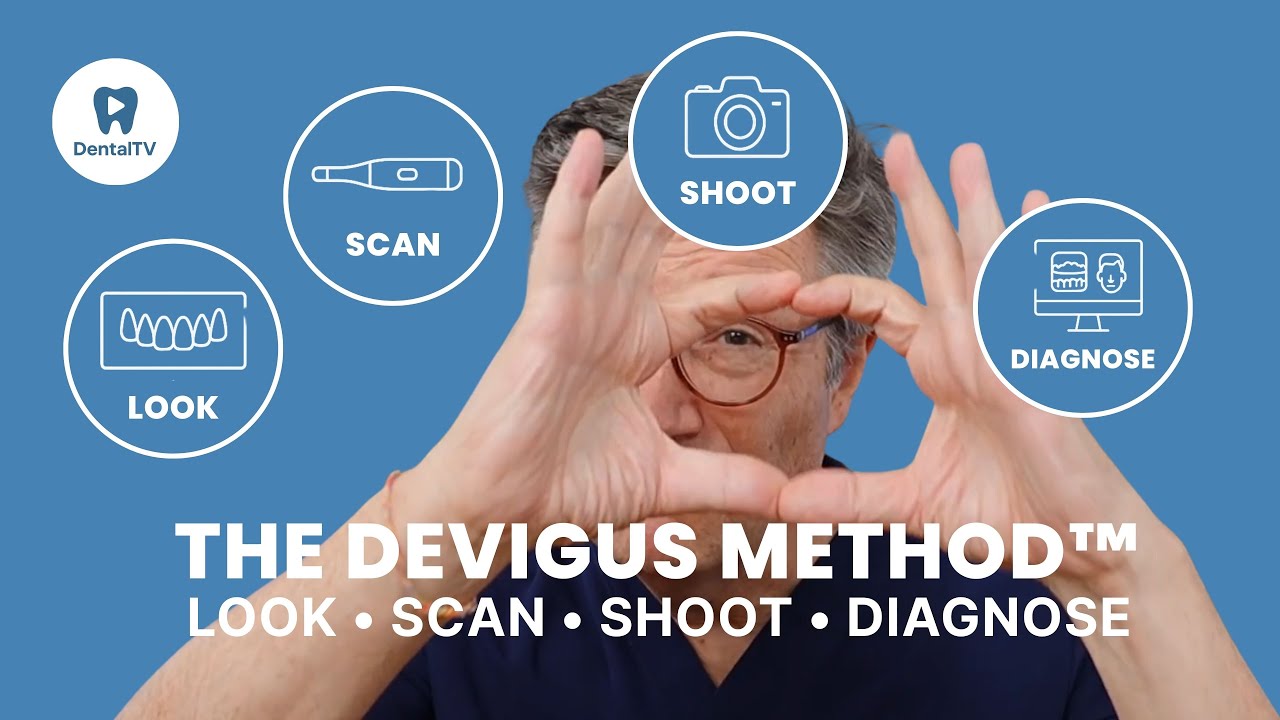
Look Scan Shoot Diagnose

From X-ray to real vision. Two days. Twenty-four clinicians. Four real patients. One integrated diagnostic workflow you can run on Monday morning.

Format
2 days · 09:00–18:00
Seats
Max. 24 participants
Language
EN · DE / IT / FR on request
Dates
Announced in waves
X-RayCBCTClinical PhotographyMirrorlessIntraoral ScanPrimescan 2Face ScanAI DiagnosisDiagnocatSmile Dynamics X-RayCBCTClinical PhotographyMirrorlessIntraoral ScanPrimescan 2Face ScanAI DiagnosisDiagnocatSmile Dynamics
Why two days

One day teaches the tools. Two days teach the workflow.

Most clinicians own everything they need. The CBCT is installed. The camera is on the counter. The scanner is calibrated. The face-scan app is on the iPad.

And almost no practice uses them together on the same patient, in the same visit, for the same decision.

This is the diagnostic gap. Day 1 closes it on the page. Day 2 closes it on real patients, with your hands on every instrument.

"You don't own a diagnosis until you can defend it across all four tools."
— Dr. Alessandro Devigus
The two days

Structured like a clinic, not a conference.

Day 1 walks you through each instrument in the order a real diagnosis follows. Day 2 hands you the patients.

— Day 01 —

The Four Instruments

Teach the language. One tool at a time.
  • 09:00OpenWelcome & the diagnostic gap
  • 09:45LookRadiography, CBCT, AI interpretation
  • 11:20ShootClinical photography & settings drill
  • 14:00ScanPrimescan 2, occlusion, articulation
  • 15:50DiagnoseFace scan, video, motion analysis
  • 17:10CloseOne case, all four tools, end to end
— Day 02 —

Hands-On & Integrated Cases

Every participant. Every tool. Real patients.
  • 08:30BriefCase assignment & objectives
  • 09:00Round 14 stations × 6 participants
  • 10:50Round 2Rotate. New patient.
  • 13:20Round 3Third rotation, third case
  • 15:05Round 4Final case — the most complex
  • 16:20DefenseEach group presents the integrated file
  • 17:50WrapCertificate · 30-day challenge
What you take home

Tools you'll actually use on the next Monday.

— 01

Three documented cases

Acquired with your own hands, on three different real patients across the two days.

— 02

Workflow poster

Printed Look · Scan · Shoot · Diagnose chart for the operatory wall.

— 03

Acquisition checklists

One per tool. Laminated for the chair. ISO 100 · f/22 · 1/160s · 5300K and the rest.

— 04

Devigus certificate

Look · Scan · Shoot · Diagnose, signed by Dr. Devigus, recognised across the network.

— 05

30-day challenge

Structured documentation challenge after the workshop with personal feedback on submission.

— 06

Lifetime video access

Full workshop recordings on the Devigus Method YouTube Membership.

Faculty

Forty years of shooting teeth.

Dr. Alessandro Devigus started clinical photography on Kodak EPP 100 in 1985 and has tested over 350 cameras in clinical practice since. He was Editor-in-Chief of the International Journal of Esthetic Dentistry for sixteen years and was among the first dentists worldwide to use CEREC, with more than 30,000 restorations to date.

The DevigusMethod is the framework distilled from that work — and the only thing taught in this room.

ITI Fellow Former Editor-in-Chief, IJED CEREC since 1990 Bio-Emulation Group
40y
Clinical photography
350+
Cameras tested in practice
30k+
CEREC restorations
16y
Editor-in-Chief, IJED
Frequently asked

Before you sign up.

What equipment do I need to bring?

Your own mirrorless camera body, macro lens, and dual flash if you have one. Everything else — CBCT, Primescan 2, face scanner, AI software, lighting — is provided on site and configured before you arrive.

Is this for general dentists, specialists, or students?

It's for any clinician who diagnoses. General practitioners get the broadest gain, but the workshop is calibrated to be useful for prosthodontists, orthodontists, periodontists, and final-year students as well. The integrated workflow is the same regardless of speciality.

Where will the workshops run?

At selected Devigus Method partner clinics and academies, each audited in advance for the full equipment stack. Cities are announced in waves to the waiting list first.

How is this different from the one-day workshop?

The one-day version teaches the four tools and shows integration on a single case. The two-day version puts every participant behind every instrument across four real patients, with a group case defence at the end of Day 2. You leave with three documented cases acquired by your own hand.

What does it cost?

Pricing is set per city based on venue and equipment partner. Waiting-list members receive the price card and early-bird window before the public registration opens.

What if I miss the city I wanted?

Stay on the list. New cities open through 2026 and 2027. Waiting-list members can also flag preferred venues, which feeds into where the next workshops are scheduled.

Waiting list

Be in the room. Be on the list.

Cities open one at a time, with limited seats. Waiting-list members get first access, early-bird pricing, and the choice of date before public registration opens.

Waiting list · 2 minutes

Join the waiting list

No spam. One email when your preferred city opens.